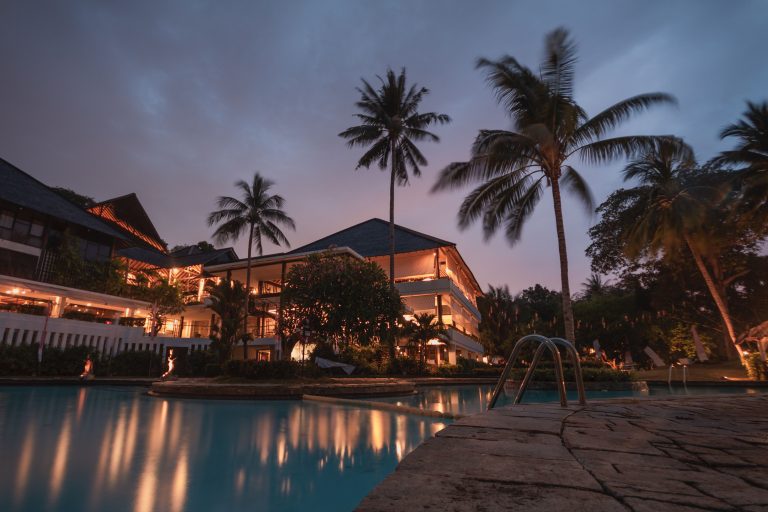

15 Hidden Beach Resorts in Southeast Asia That Will Blow Your Mind
Southeast Asia’s coastline stretches over 100,000 kilometers, yet most travelers only visit the same handful of famous beaches. While destinations like Bali’s Kuta Beach or Thailand’s Phi Phi Islands draw millions annually, countless pristine shorelines remain virtually untouched. These hidden gems offer something increasingly rare in modern travel: genuine solitude, unspoiled nature, and authentic cultural experiences.
Why Hidden Beach Resorts Matter in 2026
The mass tourism industry has fundamentally changed many of Southeast Asia’s most famous destinations. Phi Phi Islands, once a backpacker’s paradise, now welcomes over 5,000 visitors daily during peak season. Bali’s southern beaches suffer from chronic overcrowding, with traffic congestion rivaling major cities. Even relatively recent discoveries like Vietnam’s Phu Quoc Island now host massive resort complexes that have transformed the landscape.
This overcrowding isn’t just about comfort—it’s about authenticity. When beaches become packed with tourists, local cultures adapt to serve visitor expectations rather than maintain their traditions. Environmental degradation follows, with coral reefs damaged by sunscreen chemicals, marine life disrupted by boat traffic, and beaches littered despite cleanup efforts.
Hidden beach resorts offer an alternative. These properties typically feature:
- Limited capacity: Most accommodate fewer than 50 guests, ensuring intimate experiences
- Environmental consciousness: Smaller operations can implement sustainable practices more effectively
- Cultural integration: Many work directly with local communities rather than importing foreign concepts
- Pristine locations: Accessible only by boat, hiking trails, or unpaved roads, naturally limiting visitor numbers
- Personalized service: With fewer guests, staff can provide genuinely attentive care
The Economics of Seclusion
You might assume that remote, exclusive resorts command premium prices that put them out of reach for most travelers. While some hidden gems do cater to luxury seekers, many offer surprisingly reasonable rates. The economics work differently than mass-market resorts:
Lower overhead costs: Without massive infrastructure requirements, smaller resorts can operate more efficiently. They don’t need to maintain large swimming pools, multiple restaurants, or extensive entertainment facilities.
Direct booking advantages: Many hidden resorts operate without commission-paying relationships with online travel agencies. When you book directly, you often save 15-25% compared to aggregator sites.
Extended stay discounts: Remote locations understand that guests need time to justify the journey. Most offer significant discounts for stays of 5+ nights, sometimes reducing nightly rates by 30-40%.
Value-added packages: Rather than discounting rates, many resorts include extras like airport transfers, meals, or activities in their base price, providing better overall value.
15 Extraordinary Hidden Beach Resorts
1. Four Seasons Tented Triangle, Thailand
Located where Thailand, Laos, and Myanmar converge, this resort sits on the banks of the Golden Triangle’s Ruak River. Rather than traditional beachfront, it offers river access with longtail boat excursions to secluded sandbars that appear only during low tide.
What makes it special: Guests can participate in elephant conservation programs, learning to prepare food and bathe these gentle giants. The resort’s Golden Triangle Asian Elephant Foundation has rescued over 30 elephants from tourist exploitation.
Accommodation: Luxurious tented suites with outdoor rain showers, private decks, and panoramic river views. Each tent features antique teak furnishings and modern amenities.
Price range: $800-1,200 per night
Best time to visit: November through February for cool, dry weather and lower water levels revealing hidden beaches
2. Nihi Sumba, Indonesia
While Sumba Island remains relatively unknown compared to Bali or Lombok, Nihi Sumba has earned international acclaim as one of the world’s best resorts. The property occupies 570 acres of pristine coastline on Sumba’s western shore.
What makes it special: The resort’s “Occy’s Left” surf break consistently ranks among the world’s best waves. Beyond surfing, guests can explore traditional Marapu villages, witness ancient megalithic tombs, and participate in horseback riding along empty beaches.
Accommodation: 57 villas and bungalows ranging from beachfront suites to clifftop estates. Each features traditional Sumbanese architecture with modern luxury amenities.
Price range: $600-2,500 per night
Best time to visit: April through October for optimal surfing conditions and dry weather
3. Six Senses Ninh Van Bay, Vietnam
Tucked into a secluded cove accessible only by boat from Nha Trang, this resort exemplifies Vietnamese hospitality combined with contemporary luxury. The property’s 58 pool villas sit among tropical gardens overlooking Ninh Van Bay’s limestone karsts.
What makes it special: The resort’s “A Day for Ni” program allows guests to participate in coral reef restoration, mangrove planting, or beach cleanup activities. These conservation efforts have helped protect the bay’s marine ecosystem while providing meaningful guest experiences.
Accommodation: Private pool villas with direct beach access or hillside positions offering panoramic bay views. Each villa features outdoor soaking tubs, daybeds, and dedicated host service.
Price range: $400-1,500 per night
Best time to visit: January through August for calm seas and sunny skies
4. Song Saa Private Island, Cambodia
This intimate resort occupies a 15-acre private island in the Gulf of Thailand, just off Cambodia’s Koh Rong archipelago. With only 27 villas, Song Saa maintains an exclusive atmosphere while supporting local conservation efforts.
What makes it special: The resort’s marine biology center monitors coral health and fish populations throughout the surrounding waters. Guests can join research dives, learning to identify species and understand ecosystem dynamics.
Accommodation: Pool villas constructed from sustainable materials, featuring traditional Khmer design elements. Each villa includes private infinity pools, outdoor showers, and panoramic ocean views.
Price range: $500-1,800 per night
Best time to visit: November through April for dry season and optimal visibility for snorkeling
5. Alila Villas Uluwatu, Bali
Perched on Bali’s southern cliffs, this resort offers dramatic Indian Ocean views without the crowds of southern Bali’s beaches. The property’s clifftop location provides natural seclusion while remaining accessible to cultural attractions.
What makes it special: The resort’s “Living Walls” feature vertical gardens that cool buildings naturally while supporting local bird and insect populations. This biophilic design approach has become a model for sustainable luxury architecture.
Accommodation: 64 one-bedroom pool villas with contemporary Balinese design. Each villa features infinity-edge pools, outdoor pavilions, and unobstructed ocean views.
Price range: $700-2,000 per night
Best time to visit: April through October for dry weather and spectacular sunset views
6. Misool Eco Resort, Indonesia
Located in Raja Ampat’s Dampier Strait, this resort provides access to some of the world’s most biodiverse marine waters. The property operates as a marine protected area, having established a no-take zone covering 34,000 acres.
What makes it special: Shark and ray populations have increased dramatically since protection began in 2007. Guests regularly encounter reef sharks, eagle rays, and manta rays while snorkeling or diving just meters from shore.
Accommodation: Overwater bungalows and beachfront villas built from sustainable local materials. Each accommodation features private decks with direct water access and traditional Papuan design elements.
Price range: $300-800 per night (includes all meals and most activities)
Best time to visit: October through April for manta ray sightings and calm seas
7. Shinta Mani Wild, Cambodia
This unique property occupies a 4,000-acre conservation concession in southern Cambodia’s Cardamom Mountains. Rather than beachfront, it offers riverfront luxury with waterfall swimming holes and pristine rainforest.
What makes it special: The resort’s conservation program has documented over 300 bird species and 60 mammal species within its concession. Guest fees directly fund anti-poaching patrols and habitat restoration.
Accommodation: 15 tented suites designed by award-winning designer Bill Bensley. Each tent features antique furnishings, outdoor copper bathtubs, and private waterfalls.
Price range: $800-1,500 per night (all-inclusive)
Best time to visit: November through February for cool, dry weather and optimal wildlife viewing
8. Bawah Reserve, Indonesia
This private island resort in the Anambas archipelago features 300 acres of pristine rainforest surrounded by crystal-clear waters. The property operates entirely on solar power and implements comprehensive waste management systems.
What makes it special: The resort’s marine conservation program has established coral nurseries and fish spawning aggregation sites. Guests can participate in coral planting or join marine biology workshops.
Accommodation: 38 villas and residences ranging from beachfront to clifftop positions. Each features private pools, outdoor showers, and sustainable luxury design.
Price range: $600-2,500 per night
Best time to visit: March through October for calm seas and optimal diving conditions
9. Koh Yao Noi’s Six Senses, Thailand
This resort occupies a peaceful island between Phuket and Krabi, offering authentic Thai experiences without mass tourism pressures. The property’s design incorporates traditional southern Thai architecture with contemporary luxury.
What makes it special: The resort’s “Cooking School” program teaches guests to prepare traditional southern Thai dishes using ingredients from the property’s organic garden. Many recipes come from local families who’ve preserved them for generations.
Accommodation: 56 pool villas with traditional Thai design elements and modern amenities. Each villa features private pools, outdoor living spaces, and dedicated host service.
Price range: $400-1,200 per night
Best time to visit: November through March for dry weather and calm seas for island hopping
10. Wakatobi Dive Resort, Indonesia
Located in southeast Sulawesi’s Tukang Besi archipelago, this resort provides access to some of Indonesia’s most pristine coral reefs. The property operates as a marine research station alongside its resort functions.
What makes it special: The house reef directly in front of the resort features over 400 coral species and 800 fish species. Guests can dive or snorkel world-class sites just steps from their rooms.
Accommodation: Pool villas and standard rooms with traditional Indonesian design. Each accommodation features private decks, outdoor showers, and views of the turquoise lagoon.
Price range: $250-600 per night (includes three meals and unlimited diving)
Best time to visit: March through May and September through November for optimal diving conditions
11. Inkaterra Machu Picco Pueblo Hotel, Peru
While not a beach resort, this property exemplifies sustainable luxury in a remote location. Situated in the cloud forest below Machu Picchu, it offers a different kind of hidden paradise.
What makes it special: The hotel’s 12-acre property features walking trails through cloud forest habitat, home to over 370 bird species including the Andean cock-of-the-rock. The property’s conservation work has helped protect this fragile ecosystem.
Accommodation: 85 casitas built into the hillside, featuring traditional Andean design with modern amenities. Each casita includes fireplace, private terrace, and views of the surrounding forest.
Price range: $300-800 per night
Best time to visit: May through September for dry weather and clear views of Machu Picchu
12. Lefay Resort & SPA Lago di Garda, Italy
This lakeside resort demonstrates that hidden gems exist even in popular destinations. Set among olive groves and lemon trees on Lake Garda’s western shore, it offers tranquility despite the region’s popularity.
What makes it special: The resort’s “SPA Garden” features treatments based on local botanical traditions, using herbs grown in the property’s organic garden. The architecture incorporates sustainable design principles, earning LEED Gold certification.
Accommodation: 154 rooms and suites with contemporary Italian design. Each features private balcony or terrace, many with lake views, and modern amenities.
Price range: $400-1,200 per night
Best time to visit: May through September for warm weather and lake swimming
13. Soneva Fushi, Maldives
This resort pioneered the concept of “no news, no shoes” luxury in the Maldives. Located in Baa Atoll (a UNESCO Biosphere Reserve), it combines barefoot luxury with serious environmental commitment.
What makes it special: The resort’s “Eco Centro” waste management facility processes all waste on-island, achieving 90% recycling rates. The property’s marine biology center monitors local reef health and runs coral restoration programs.
Accommodation: 78 pool villas ranging from beachfront to overwater. Each features private pools, outdoor cinemas, and dedicated “Mr./Ms. Friday” butler service.
Price range: $1,000-5,000 per night
Best time to visit: December through April for dry weather and optimal diving conditions
14. Inkaterra Hacienda Urubamba, Peru
Located in Peru’s Sacred Valley, this hacienda-style hotel offers luxury accommodations surrounded by Andean peaks. The property sits at 9,400 feet elevation, providing acclimatization before Machu Picchu visits.
What makes it special: The hotel’s 25-acre property features walking trails through native Polylepis forest, one of the world’s highest ecosystems. The property’s reforestation program has planted over 10,000 native trees.
Accommodation: 92 casitas and suites with Andean-inspired design. Each features fireplace, private terrace, and views of surrounding mountains.
Price range: $250-600 per night
Best time to visit: May through September for dry weather and clear mountain views
15. Nihiwatu, Sumba Island, Indonesia
While mentioned earlier, this resort deserves separate recognition for its “Occy’s Left” surf break and commitment to Sumbanese communities. The resort employs over 450 local staff and supports numerous community development projects.
What makes it special: The resort’s “Nihi Foundation” has built schools, health clinics, and clean water systems throughout Sumba. Guest visits to these projects provide authentic cultural exchange while supporting local development.
Accommodation: 57 villas and bungalows featuring traditional Sumbanese architecture with modern luxury. Each includes private pool, outdoor shower, and dedicated butler service.
Price range: $600-2,500 per night
Best time to visit: March through October for optimal surf conditions and dry weather
How to Choose Your Hidden Beach Resort
Consider Your Travel Style
Different hidden resorts cater to different preferences:
- Adventure seekers: Look for properties offering surfing, diving, hiking, or wildlife viewing
- Wellness travelers: Seek resorts with comprehensive spa facilities, yoga programs, or meditation spaces
- Cultural explorers: Choose properties with strong community connections and authentic cultural experiences
- Pure relaxation: Focus on resorts with exceptional beach access, spa services, and all-inclusive options
Evaluate Accessibility
Remote locations require more effort to reach. Consider:
- Flight connections: Some resorts require multiple flights plus boat transfers
- Travel time: Factor in full travel days when planning your itinerary
- Physical requirements: Some properties involve hiking, boat rides in rough seas, or other physical challenges
- Medical considerations: Remote locations may have limited medical facilities
Assess Environmental Commitment
True sustainability goes beyond marketing claims. Look for:
- Certifications: Legitimate eco-certifications like EarthCheck, Green Globe, or LEED
- Specific programs: Concrete conservation initiatives with measurable outcomes
- Community involvement: Direct benefits to local communities beyond employment
- Transparency: Detailed information about environmental practices and impacts
Understand Pricing Structures
Hidden resorts often have different pricing models:
- All-inclusive vs. room-only: Calculate total costs including meals, activities, and transfers
- Seasonal variations: Rates can vary 50% or more between peak and low seasons
- Length of stay discounts: Many properties offer significant savings for extended stays
- Package deals: Look for packages including transfers, activities, or special experiences
Booking Strategies for Hidden Resorts
Book Direct for Best Value
Most hidden resorts offer their best rates through direct booking. Benefits include:
- Price matching: Many will match or beat third-party rates
- Room upgrades: Direct bookings often receive priority for upgrades
- Special requests: Easier to communicate specific needs directly
- Cancellation flexibility: Direct bookings typically offer more lenient policies
Time Your Booking Strategically
- Early booking: 6-12 months ahead for peak season at popular properties
- Last-minute deals: Some resorts discount unsold inventory 2-4 weeks before arrival
- Shoulder season: Book just before or after peak season for better rates and availability
- Midweek arrivals: Some properties offer discounts for Tuesday or Wednesday arrivals
Leverage Comparison Tools
While many hidden resorts don’t appear on major booking platforms, some do. Use comprehensive comparison tools to check multiple sources and ensure you’re getting the best available rate.
Maximizing Your Hidden Resort Experience
Embrace the Seclusion
Hidden resorts require investment in time and money to reach. Make the most of your stay by:
- Extending your visit: Plan 5-7 nights minimum to justify the journey
- Disconnecting: Many remote locations have limited connectivity—embrace digital detox
- Participating in activities: Take advantage of unique experiences unavailable elsewhere
- Building relationships: Engage with staff and learn about local culture and environment
Respect Local Culture and Environment
Responsible tourism practices are essential at hidden destinations:
- Learn local customs: Research cultural norms before arrival
- Support local economy: Purchase crafts from artisans, eat at local restaurants when possible
- Minimize environmental impact: Follow resort sustainability guidelines, reduce waste
- Respect wildlife: Maintain safe distances, never feed wild animals
Document Responsibly
While sharing experiences is natural, consider:
- Asking permission: Before photographing local people or cultural practices
- Geotagging carefully: Some locations suffer from over-tourism after social media exposure
- Supporting conservation: Use your platform to highlight environmental protection efforts
- Balancing promotion: Share experiences without revealing exact locations of pristine sites
The Future of Hidden Beach Resorts
Climate Change Impacts
Rising sea levels, changing weather patterns, and coral bleaching threaten many coastal destinations. Leading resorts are responding through:
- Coastal restoration: Mangrove planting and coral reef rehabilitation
- Infrastructure adaptation: Elevating buildings, improving drainage, reinforcing shorelines
- Carbon neutrality: Investing in renewable energy and carbon offset programs
- Guest education: Helping visitors understand climate impacts and conservation needs
Technology Integration
Even remote resorts are adopting technology to enhance guest experiences:
- Virtual reality previews: Allowing guests to explore properties before booking
- Smart room controls: Energy-efficient systems that adjust to guest preferences
- Digital concierge services: 24/7 assistance via messaging platforms
- Sustainability tracking: Real-time monitoring of resource consumption and waste reduction
Shifting Traveler Preferences
Post-pandemic travelers increasingly value:
- Privacy and seclusion: Smaller properties with limited guest capacity
- Meaningful experiences: Opportunities for cultural exchange and conservation participation
- Flexibility: Lenient cancellation policies and adaptable itineraries
- Wellness focus: Comprehensive health and wellness programming
Conclusion
Southeast Asia’s hidden beach resorts offer something increasingly precious in modern travel: authentic experiences in pristine environments. These properties demonstrate that luxury and sustainability can coexist, that seclusion and service excellence can combine, and that remote locations can provide some of the world’s most memorable travel experiences.
Choosing the right hidden resort requires careful consideration of your preferences, budget, and travel style. Research thoroughly, book strategically, and approach your visit with respect for local culture and environment. The rewards—unspoiled beaches, genuine cultural connections, exceptional service, and lasting memories—far outweigh the extra effort required to reach these special places.
As mass tourism continues to transform famous destinations, these hidden gems become ever more valuable. By supporting responsible resorts that prioritize conservation and community development, travelers help ensure these special places remain pristine for future generations. Your visit becomes part of the solution, not the problem, creating positive impacts that extend far beyond your stay.
The world’s hidden beach resorts aren’t just places to stay—they’re gateways to understanding different cultures, appreciating natural wonders, and experiencing the kind of genuine hospitality that makes travel transformative. In an age of homogenized tourism, these properties remind us why we travel: to discover, to connect, and to be changed by new experiences.